Is Buying a Laundromat in NYC Profitable? Real Numbers from a Live Listing (2026)
Admin User
Ask ten people to name a "safe" small business and half of them will say a laundromat. Cash flow, no inventory that spoils, customers who show up every week no matter what the economy does. But is that reputation earned in New York City, where rent can eat a business alive?
The short answer: yes, a well-bought laundromat in NYC can be genuinely profitable — but the lease, not the machines, decides whether you make money. Here's how the numbers actually work, including a real listing on the market right now.
A real example, with real numbers
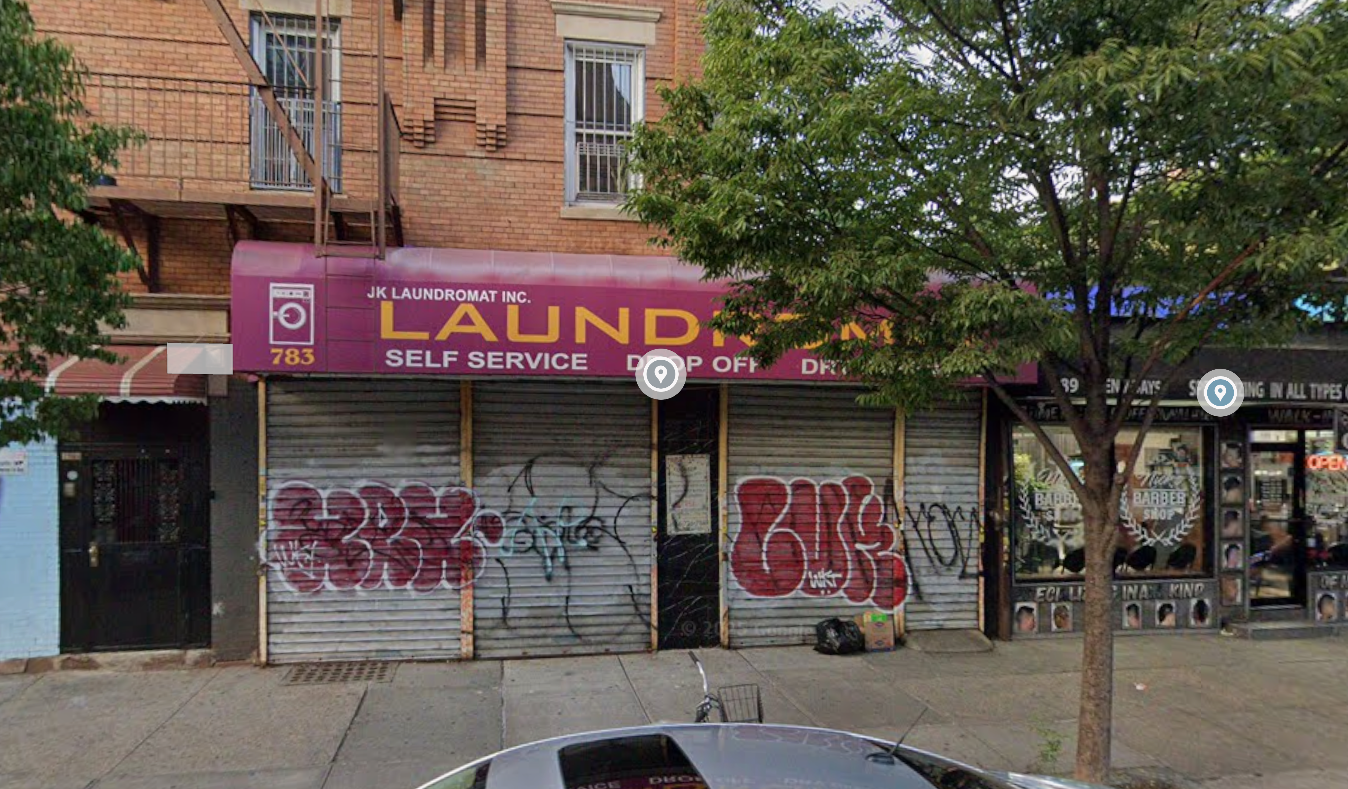
Rather than quote national averages, let's look at an actual laundromat currently listed on MercatoList: a laundromat in Ridgewood, Queens.
| Metric | Number |
|---|---|
| Asking price | $190,000 |
| Annual revenue | $109,000 |
| Seller's discretionary earnings (SDE) | ~$54,665 |
| Monthly rent | $2,874 |
| Asking multiple | ~3.5× SDE |
A few things jump out if you know how to read them:
- The rent-to-revenue ratio is about 32% ($34,488/year against $109,000 revenue). For laundromats, you generally want rent under 25–30% of revenue, so this is at the top of the healthy range — worth negotiating on, or verifying there's upside in unattended revenue.
- SDE margin is roughly 50%. That's typical for owner-operated laundromats and is exactly why people love this business: once the machines are paid for, most of every dollar drops to the owner.
- At a 3.5× multiple, you'd recoup the purchase price in about three and a half years of unchanged operation — before any improvements like wash-dry-fold service or delivery.
What laundromats cost in NYC
Buying an existing laundromat in the five boroughs generally runs $100,000 to $500,000+, driven by revenue, lease length, and equipment age. Building one from scratch typically costs more — $200,000 to $500,000 in equipment and build-out alone before you've washed a single sock — which is why most first-time owners buy rather than build. (You're also buying something you can't build: an existing customer base and a proven location.)
Industry-wide, laundromats generate roughly $200,000–$500,000 in annual revenue at healthy locations, though smaller neighborhood mats — like most of what trades hands in Queens, Brooklyn, and the Bronx — often run below that with correspondingly lower prices.
The five things that actually determine profitability
1. The lease. This is 80% of the decision. A laundromat is effectively a real-estate bet with washing machines on top: the build-out (plumbing, gas, venting, electrical) is expensive and immovable, so if your lease expires in 4 years with no renewal option, you own a countdown timer. Look for 10+ years of remaining term (including options), and read the escalation clauses carefully.
2. Utilities — specifically water and gas. Water and sewer are a laundromat's biggest operating cost after rent. Ask for two years of utility bills and check whether the machines are newer high-efficiency models; old top-loaders can quietly cost you thousands a year.
3. Equipment age and condition. A full machine replacement can cost $150,000+. If the washers are 15 years old, that's not a discount — it's a deferred bill. Get the equipment list with ages and service records before you talk price.
4. Unattended vs. full-service. Coin-only, unattended mats have lower revenue but nearly no labor. Wash-dry-fold and pickup/delivery can add 20–40% to revenue but bring payroll and management. The highest-margin NYC mats usually blend both: unattended mornings, staffed afternoons for drop-off service.
5. Competition and density. Walk a five-block radius. NYC laundromats live and die by walking distance — a new competitor two blocks closer to the subway matters more than anything in your P&L.
The demand side: why NYC is different
Most of the country is losing laundromat customers to in-unit washers. New York is the great exception: the majority of NYC apartments still lack in-unit laundry, and many buildings can't add it. That's structural demand that doesn't exist in most American cities — and it's why NYC laundromats tend to hold value even as the industry consolidates nationally.
Red flags to walk away from
- A lease under 5 years with no renewal option — you're buying a job with an expiration date.
- "Cash business" with no records. If the seller can't document revenue through utility usage, machine counters, or POS reports, price accordingly — or don't buy. Water bills don't lie: gallons in should roughly match claimed loads.
- A rent escalation above ~4%/year in a flat-revenue business.
- Deferred violations — check for open DEP (water), DOB, and FDNY issues before signing anything.
The bottom line
A NYC laundromat with a long lease, documented revenue, and reasonably modern machines is one of the most durable small businesses you can buy — a genuine "boring business" in the best sense. The Ridgewood example above shows the shape of a typical deal: put down $190,000 (or finance a chunk of it through an SBA 7(a) loan), earn ~$55,000 a year semi-absentee, and look for upside in drop-off service.
Browse what's on the market now: Laundromats & dry cleaners for sale in NYC, or see everything in Queens — where most of the city's laundromat deals trade.
Numbers cited from live MercatoList listings as of July 2026; industry ranges from published laundromat cost studies. This article is general information, not financial advice — always verify a specific business's financials in due diligence.
Written by
Admin User